
Nutrition
What to Eat Before and After a Workout: 25 Indian Meals and Snacks
Discover 25 practical Indian pre- and post-workout meals and snacks, with guidance on meal timing, carbohydrates, protein and hydration.
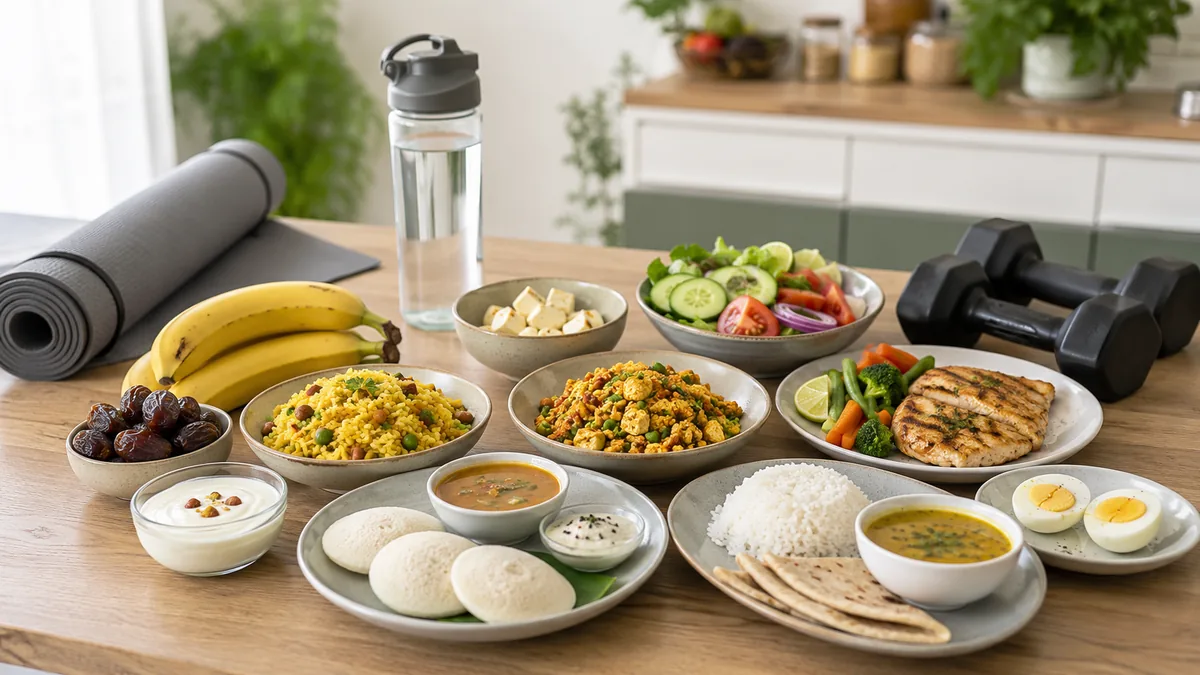
After exercise, prioritise protein for muscle repair, carbohydrates for energy replacement and enough fluid to rehydrate.
A simple timing guide is:
- Two to three hours before training: Eat a normal meal containing carbohydrates and protein.
- Thirty to ninety minutes before training: Choose a smaller, easily digested snack.
- Within a few hours after training: Eat a balanced meal containing protein and carbohydrates.
You do not need to drink a protein shake immediately after your final repetition. Total daily protein intake and distributing protein across several meals are generally more important than following an extremely narrow post-workout window. Sports-nutrition guidance commonly recommends protein servings of approximately 20–40 grams, spread every three to four hours where practical. (SpringerLink)
What should you eat before a workout?
Carbohydrates are the body’s main readily available fuel for moderate- and high-intensity activity. Pre-exercise carbohydrate intake is particularly useful for longer or more demanding workouts, while its effect may be smaller for short, low-intensity sessions. (PubMed)
The closer you eat to your workout, the smaller and simpler the meal should generally be.
| Time before exercise | What to choose |
|---|---|
| 2–3 hours | A complete meal with carbohydrates, protein and moderate fat |
| 60–90 minutes | A smaller meal or substantial snack |
| 30–45 minutes | A light, familiar carbohydrate-based snack |
12 Indian pre-workout meals and snacks
Meals for two to three hours before training
- Vegetable poha with curd
Provides carbohydrates from poha with some protein from curd.
- Two or three idlis with sambar
A relatively light meal containing carbohydrates and lentils.
- Vegetable upma with curd
Suitable before a morning or afternoon workout.
- Moong dal chilla with curd
Combines carbohydrates with plant-based protein.
- Paneer bhurji with one or two rotis
A higher-protein vegetarian option before strength training.
- Egg bhurji with roti or toast
Provides protein from eggs and carbohydrates from bread or roti.
- Dal, rice and a small serving of sabzi
A practical option before an evening workout.
- Chicken, rice and cooked vegetables
Suitable before a longer or more demanding session.
Keep cooking oil moderate. A large amount of oil, ghee, butter or cream can make the meal slower and less comfortable to digest.
Snacks for thirty to ninety minutes before training
- One banana
- Banana with a small glass of milk
- Two or three dates with plain curd
- Toast with a thin layer of peanut butter
A short, easy workout may not require a separate snack when you have already eaten a balanced meal within the previous few hours.
Foods to limit immediately before training
Some foods may cause heaviness, reflux or stomach discomfort when eaten close to exercise:
- Samosa, pakora and other deep-fried foods
- Heavy restaurant curries
- Large portions of chole or rajma
- Excessive ghee, butter or cream
- Large servings of nuts
- Very spicy meals
- Large milkshakes
This does not mean these foods must be removed from your diet. Their portion and timing may simply make them less suitable immediately before exercise.
What should you eat after a workout?
Post-workout food should support recovery rather than reward the workout with an unrestricted meal.
For most active adults, a post-workout meal should contain:
- A meaningful protein source
- Rice, roti, fruit or another carbohydrate
- Vegetables where practical
- Water or another suitable fluid
Protein servings of approximately 20–40 grams can support muscle-protein synthesis, although the appropriate amount varies with body size, training and total daily intake. (SpringerLink)
Rapid carbohydrate replacement matters most when another demanding workout is planned within approximately eight hours. Someone completing one ordinary workout per day can usually recover with a normal balanced meal. (PubMed)
13 Indian post-workout meals and snacks
- Moong dal chilla stuffed with paneer
- Paneer bhurji with roti and vegetables
- Tofu bhurji with rice or roti
- Soy-chunk pulao with raita
- Dal khichdi with plain curd
- Rajma rice with curd and salad
- Chole with roti and curd
- Idli with extra sambar and curd
- Egg bhurji with roti and vegetables
- Egg curry with rice or roti
- Chicken curry with rice and salad
- Grilled fish with rice, roti or potatoes
- Milk, banana and protein powder
Protein powder is optional. Whole foods can meet protein requirements when portions and meal planning are sufficient. Supplements mainly provide convenience when adequate protein is difficult to obtain from normal meals. (PubMed)
Vegetarian post-workout combinations
A small bowl of dal alone may not provide a large amount of protein. Vegetarian meals can be strengthened by combining foods such as:
- Dal with curd
- Rajma with rice and curd
- Chole with roti and curd
- Tofu with rice
- Paneer with roti
- Soy chunks with pulao
- Moong chilla with paneer
- Milk or curd alongside a complete meal
ICMR–NIN recommends obtaining nutrients from varied food groups, including cereals, pulses, dairy, vegetables, fruits and nuts, along with eggs, fish or meat where consumed. (ICMR National Institute of Nutrition)
Three example workout schedules
Early-morning workout
Before: Banana or two dates After: Paneer bhurji with roti, or eggs with toast and fruit
Evening workout
Lunch: Dal, rice, vegetables and curd Before: Banana with milk After: Tofu, paneer, chicken or fish with rice or roti
Workout after breakfast
Before: Poha with curd or idli with sambar After: A regular lunch containing dal, paneer, eggs, chicken or fish
Do you need to eat before every workout?
Not necessarily.
You may not need a separate pre-workout meal when:
- Your previous meal was within two or three hours.
- The workout is short and easy.
- You feel comfortable and perform well without a snack.
A small snack may help when:
- The workout is long or intense.
- You have not eaten for several hours.
- You feel weak or light-headed when training fasted.
- Your performance drops without food.
- You become excessively hungry after exercise.
Fasted exercise does not automatically produce greater long-term fat loss. Overall calorie intake across days and weeks remains more important than whether one workout was completed before breakfast.
What should you drink?
Begin training normally hydrated.
Water is usually sufficient for a short indoor workout. Longer exercise, high temperatures and heavy sweating may require more deliberate replacement of fluids and electrolytes. Maintaining hydration can also make exercise and recovery feel easier. (ACSM)
Avoid forcing excessive amounts of water immediately before exercise. Drink gradually according to the weather, workout duration and your usual sweat rate.
Frequently Asked Questions
Is banana better before or after exercise?
It can work at either time. Before exercise, it provides convenient carbohydrates. After exercise, combine it with milk, curd, eggs or another protein source.
Can I eat rice after a workout?
Yes. Rice helps provide carbohydrates and can be combined with dal, rajma, tofu, paneer, eggs, chicken or fish.
Is curd good after exercise?
Yes. Curd provides protein, carbohydrates and fluid. It works well with khichdi, rice, fruit or a complete meal.
How soon should I eat after training?
Eat when practical within the following few hours. Eating sooner may be useful when you trained fasted or have another demanding session later that day.
Do beginners need a pre-workout supplement?
No. Most beginners can train effectively after an ordinary meal or simple snack. Pre-workout supplements are not required.
Is tea or coffee suitable before exercise?
Yes, when it suits your digestion and does not interfere with sleep. Account for added sugar, cream or flavoured syrups.
The bottom line
Pre- and post-workout nutrition does not require expensive fitness products.
Before training:
- Prioritise carbohydrates.
- Include protein when eating a complete meal.
- Reduce the portion as the workout gets closer.
- Choose foods you can digest comfortably.
After training:
- Eat a meaningful protein serving.
- Include carbohydrates according to your activity.
- Replace fluids.
- Return to your normal balanced eating pattern.
Use Eleviy to scan meals, review estimated protein and carbohydrates, plan food around training and compare your nutrition with your workout progress.
This article is for general education and is not personalised medical or sports-nutrition advice. People with diabetes, kidney disease, digestive conditions, pregnancy or an eating-disorder history should obtain individual guidance.
References
- International society of sports nutrition position stand: nutrient ...
- Pre-exercise nutrition: the role of macronutrients, modified ...
- International Society of Sports Nutrition Position Stand: protein ...
- Carbohydrates and fat for training and recovery
- International Society of Sports Nutrition Position Stand
- ICMR-National Institute of Nutrition, India
- 9 Facts About Hydration & Electrolytes